

How to Build a Content Library
A step-by-step framework for creating your first content library—plus a checklist you can reuse whenever you run out of article ideas.

If you don’t know how to build a content library, this is a free guide to help you get started.
If you’re a visual learner, I also put together a free guide on how to build a content library. It includes a step-by-step framework and a checklist that doubles as an article idea generator, so you can come back to it anytime you need inspiration.
These articles will give you ideas on what to write if you’re starting from scratch and want to build a strong foundation for your publication.
As to why a content library matters, you can read more about it here.
But in short, a content library builds your credibility by showing readers:
You’re consistent not only in publishing but also in your message.
You’re committed to your publication.
You have a clear position. You’re claiming a space, and over time, readers begin to associate that niche with you.
Now let’s start by imagining your publication is completely blank. Even if it isn’t, this framework will still work.
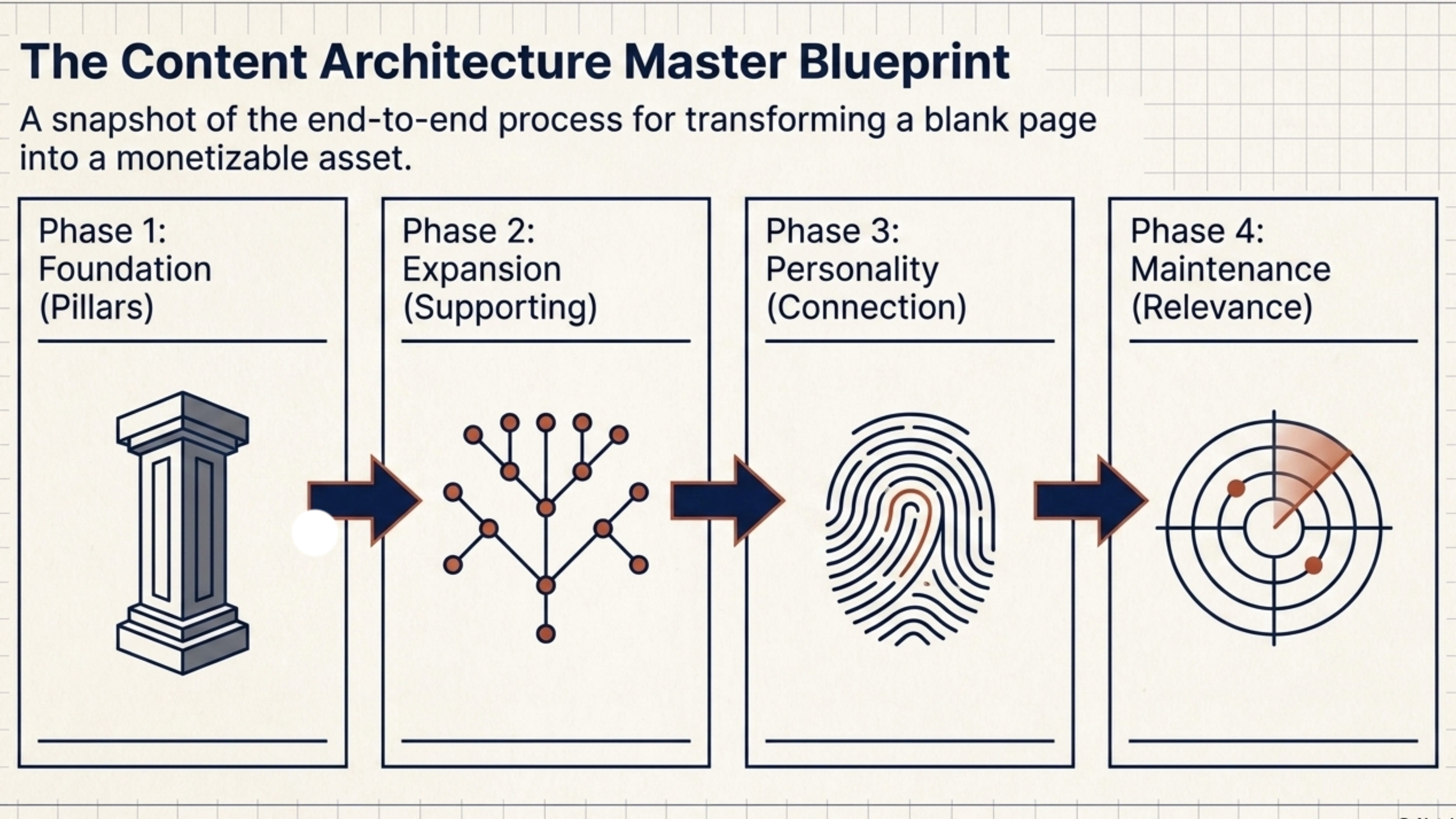
Step 1: Create Your Pillar Pieces
Your pillar pieces are 3–5 cornerstone articles that summarize the value your publication provides. Even if someone only reads these articles, they should walk away with a solid understanding of what your publication is about.
Think of them as your publication’s introduction and your first demonstration of value.
Here are a few types of pillar pieces you can create:
A. Give Them Your Best Tool
Address the biggest pain point in your niche and provide the best solution you can.
Don’t hold back. This is one of the highest-value articles you’ll ever write because it immediately shows readers your expertise.
B. The Complete Process
Give readers the entire process from start to finish.
Show them the overall system before you start breaking it down into individual parts.
C. A Map of Your Niche
Create a short but comprehensive overview of your niche.
Can Include:
What the niche is.
Why it matters.
This article becomes the roadmap readers can always come back to.
Step 2: Go Downstream
Once your pillar pieces are finished, everything else becomes much easier. Expand on every idea you’ve already introduced.
For each pillar piece, write around three supporting articles.
For example, if one of your pillar pieces is the map of your niche, your supporting articles could include:
Where it fits within the larger field.
The different levels, categories, or stages within it.
The people, tools, publications, or communities related to the niche.
Common misconceptions.
Frequently asked questions.
If one of your pillar pieces is your best tool, you can write supporting articles like:
The second biggest problem people face.
Common mistakes when applying the tool.
Advanced strategies.
Case studies or examples.
Recent updates related to the topic.
An article that creates urgency and explains why readers should act now instead of later.
By simply expanding your existing ideas, you’ll generate dozens of article ideas without having to brainstorm from scratch.
Step 3: Add Personal Articles
So far, your library has been mostly practical and educational.
Now it’s time to make it personal.
Personal articles give your publication personality. They help readers connect with you, not just your ideas. They also strengthen your brand and attract readers who resonate with how you think.
Some ideas include:
Personal stories related to your niche.
Lessons you’ve learned.
Failures and what they taught you.
Philosophical or mindset articles.
Behind-the-scenes looks at your process.
Stories about your journey as a writer or creator.
These articles don’t always have to teach something practical. Sometimes their purpose is simply to build trust and let readers know the person behind the publication.
Step 4: Publish Supporting Content
Not every article has to become a permanent pillar.
From time to time, publish supporting content such as:
Recent news or updates in your niche.
Commentary on current events.
Reviews of new tools or resources.
Answers to frequently asked questions.
Responses to reader questions.
Book recommendations.
Helpful resources you’ve recently discovered.
Opinion pieces on trends in your niche.
These articles keep your publication current while your evergreen content continues working in the background.
Each article should strengthen the other. Your pillar pieces establish your expertise, your supporting articles deepen it, and your personal articles build a relationship with your audience.
Over time, readers won’t just subscribe because of one great article.
They’ll subscribe because every article they click leads them to another one worth reading.

If you’d like a more detailed breakdown of each content type from NOTES - ARTICLES - SUBSCRIBER’S CHAT discussed in this article, check out this free three-part guide.
All my articles are free to read. If you’ve been enjoying them and want to show a little love, you can buy me a coffee ☕ using the link below. Your support truly helps me keep creating.
That’s all for today!.
I appreciate you so much for reading up until here! 😊 If you think this article could help someone, feel free to share it or like it it really helps expand its reach to help others as well. 💌
Frey.
4 Things to Stop Being Invisible on Substack

If you're someone who started with zero online presence
this is great, thanks for sharing
How can I apply this to a fiction writer...it has been a dilemma for so many in our niche